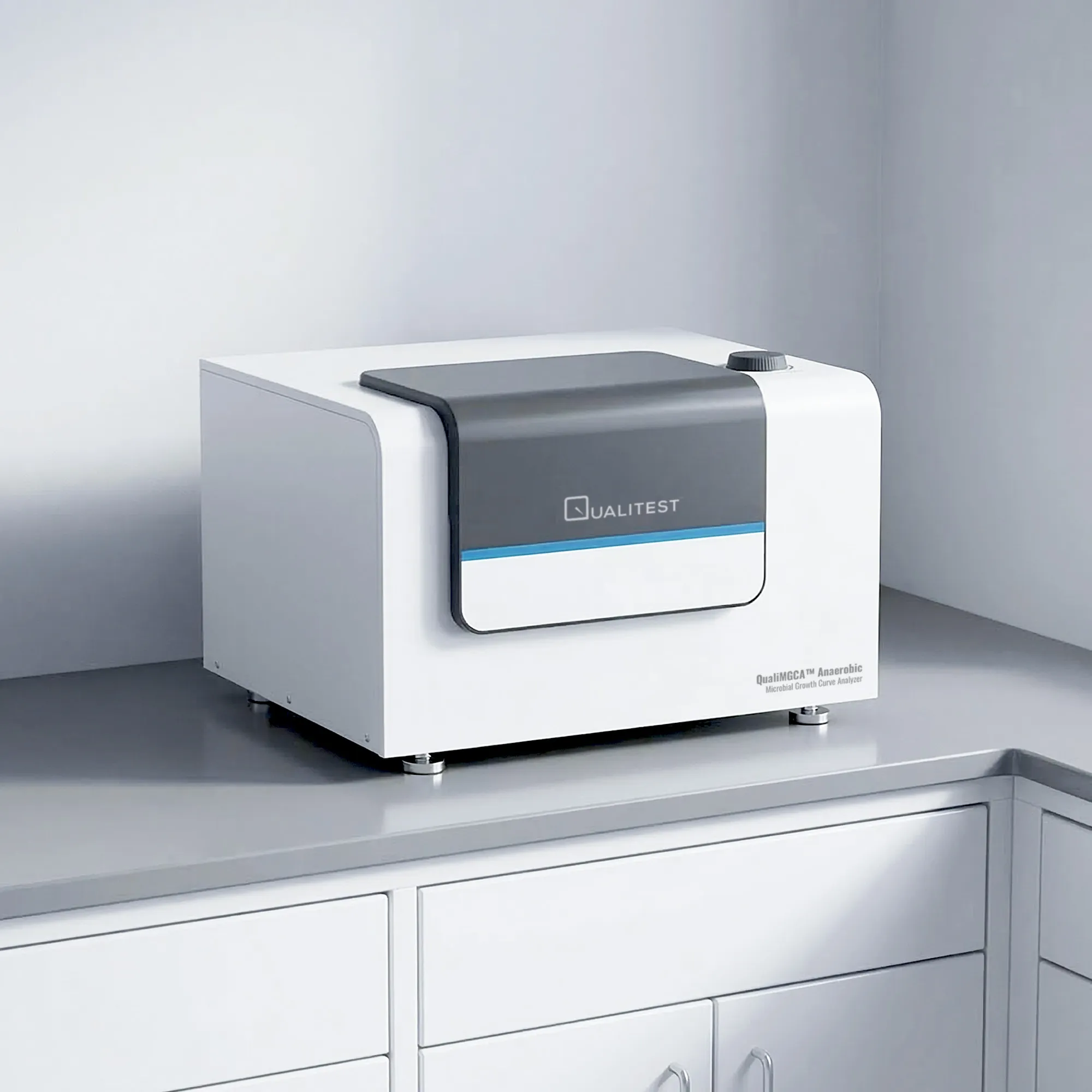
Microbial Growth Curve Analyzer – QualiMGCA™ Anaerobic Applications
Anaerobic and low-oxygen microbial growth studies
Create controlled O₂/CO₂ environments for organisms that are oxygen-sensitive, then monitor growth curves without opening the plate. This supports research where small oxygen changes can alter growth rate, lag phase, and final biomass.
High-throughput condition screening
Run comparative experiments across media recipes, additives, temperature setpoints, and shaking profiles using two plate positions and up to 192 channels. This helps you screen many variables quickly while keeping timing consistent across all wells.
Strain performance comparisons
Quantify differences in lag time, growth rate, and stationary-phase behavior across candidate strains. The automated workflow supports repeatable, side-by-side evaluation for R&D and process development decisions.
Antibiotic susceptibility and stress-response trend studies
Track growth inhibition trends over time in microplate format to compare responses across concentrations or stress conditions. For formal susceptibility workflows, align your method with recognized standards and document your inoculum, media, and incubation settings.
| Field | Facultative Anaerobe (Fission yeast) | Facultative Anaerobe (Lactobacillus rhamnosus) | Aerobic (Bacillus subtilis) | Strict Anaerobe (Bifidobacterium bifidum) |
|---|
| Organism Type | Facultative Anaerobe | Facultative Anaerobe | Aerobic | Strict Anaerobe |
| Application / Culture Mode | Shaker culture (biology) | Static incubation | Shaker culture (biology) | Static incubation with O₂ control |
| Example Organism | Fission yeast | Lactobacillus rhamnosus | Bacillus subtilis | Bifidobacterium bifidum |
| Key Notes | Model for cell division research; settles easily; needs higher mixing speed for uniform suspension. | Probiotic; Gram-positive; often cultured statically; can aggregate. | Aerobic; fast growth; commonly used in lab studies. | Anaerobic beneficial intestinal microorganism; growth depends strongly on oxygen level. |
| Plate Format | 48-well | 96-well | 96-well | 96-well |
| Temp | 30°C | 37°C | 36°C | 37°C |
| Shaking | Continuous shaking | Static | Continuous shaking | Static |
| Detection Interval | 30 min | 30 min | 20 min | 60 min |
| Culture Time | 24 hr | 48 hr | 24 hr | 72 hr |
| Graph | 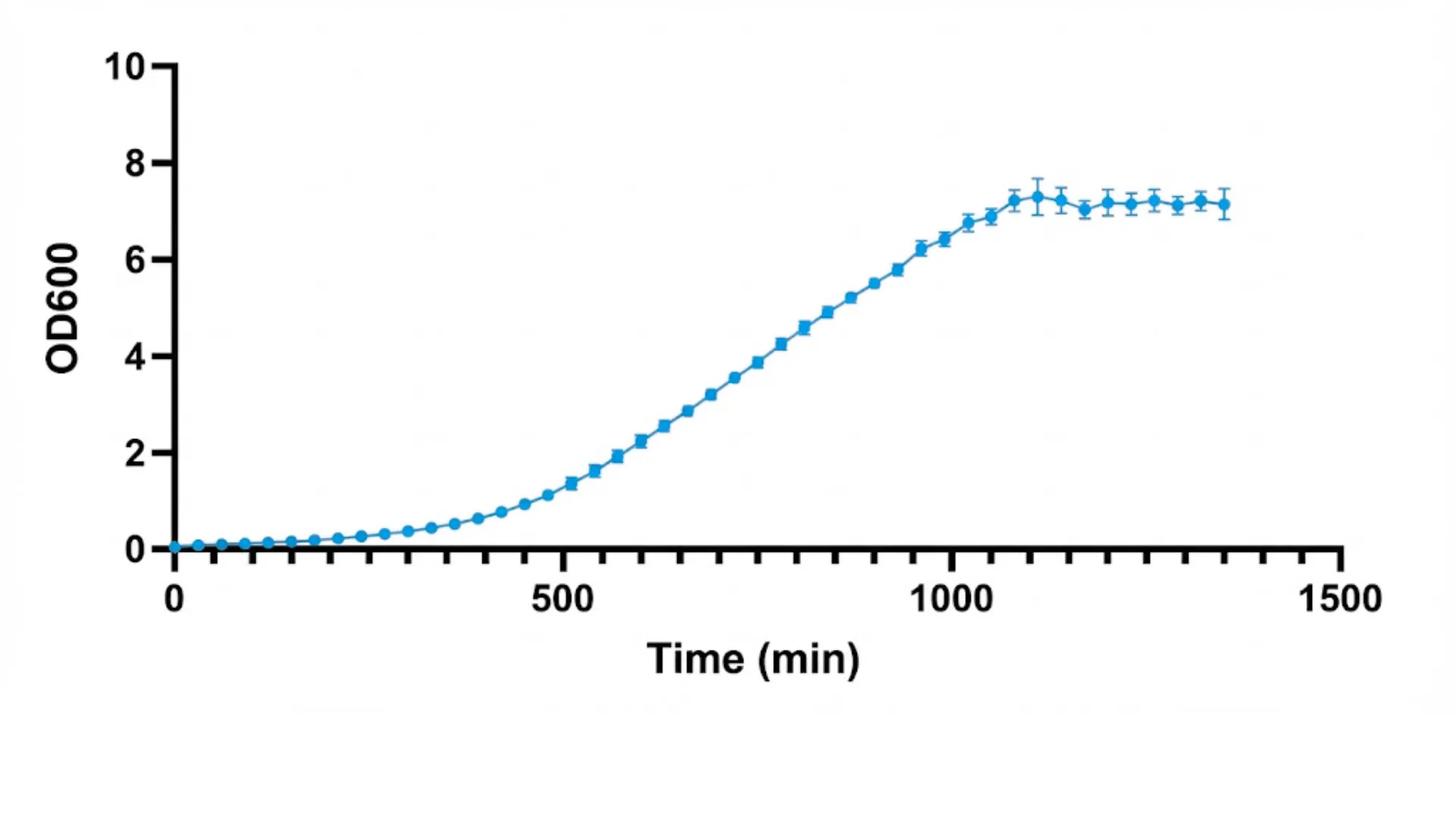 | 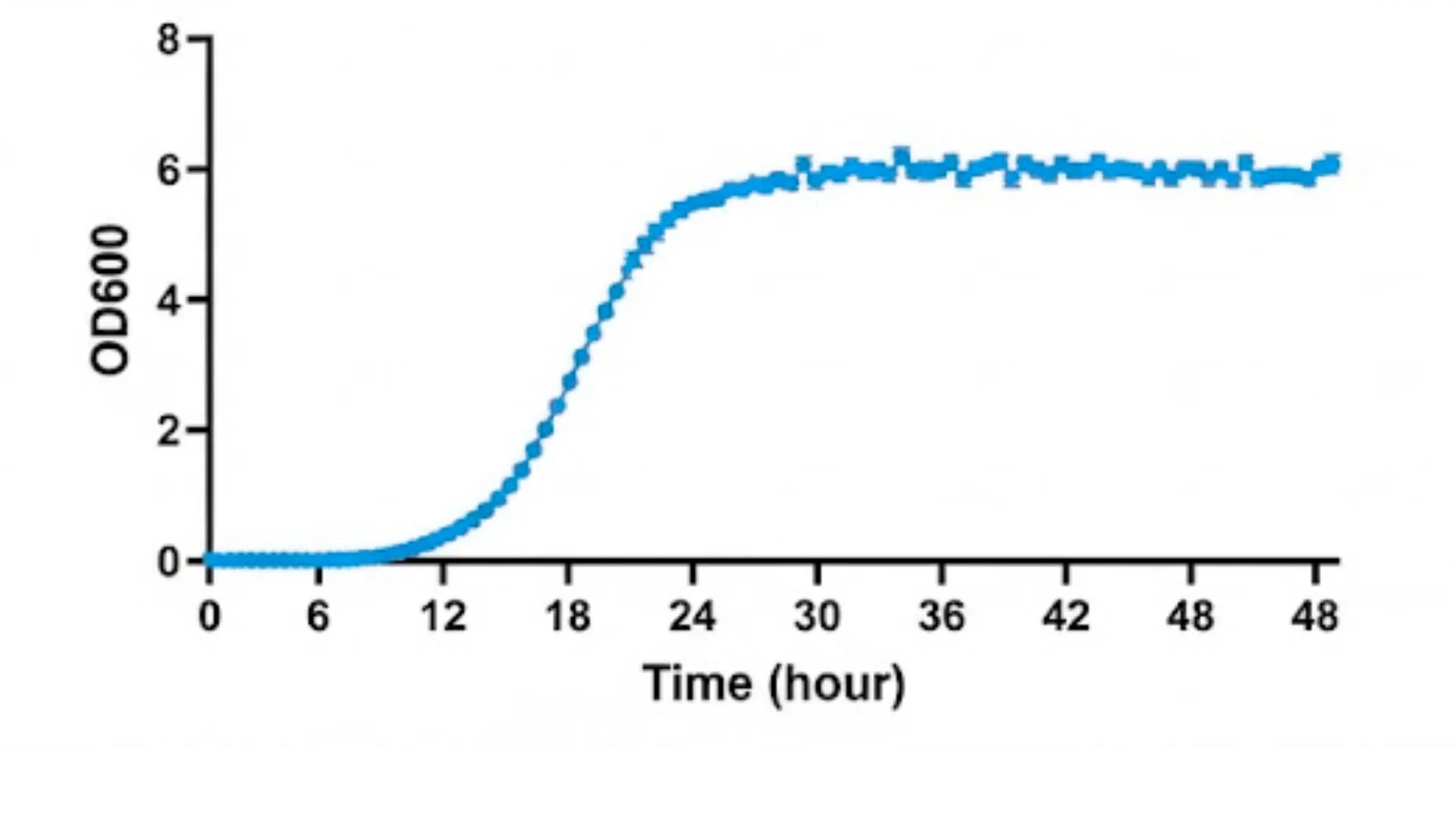 | 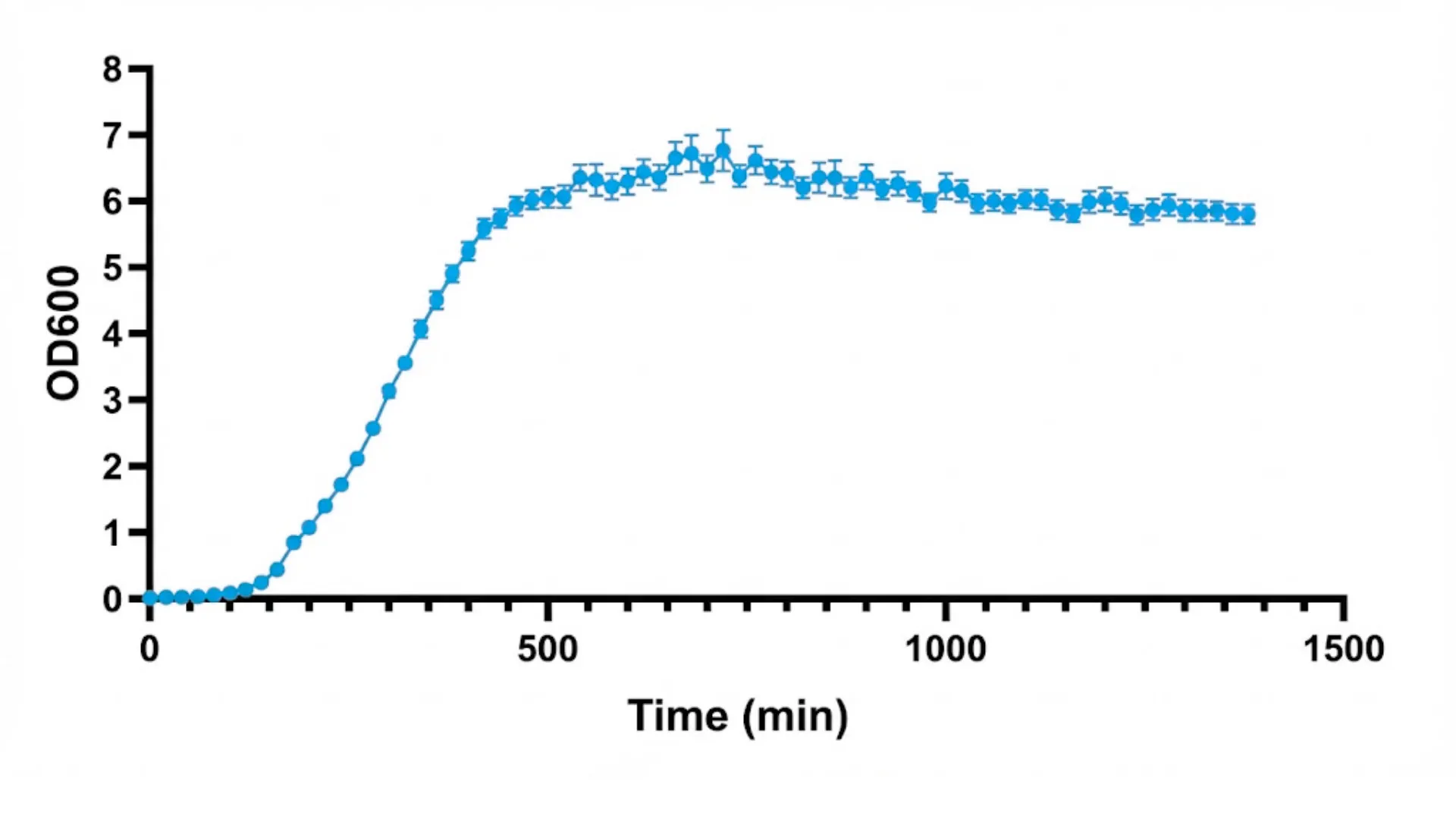 | 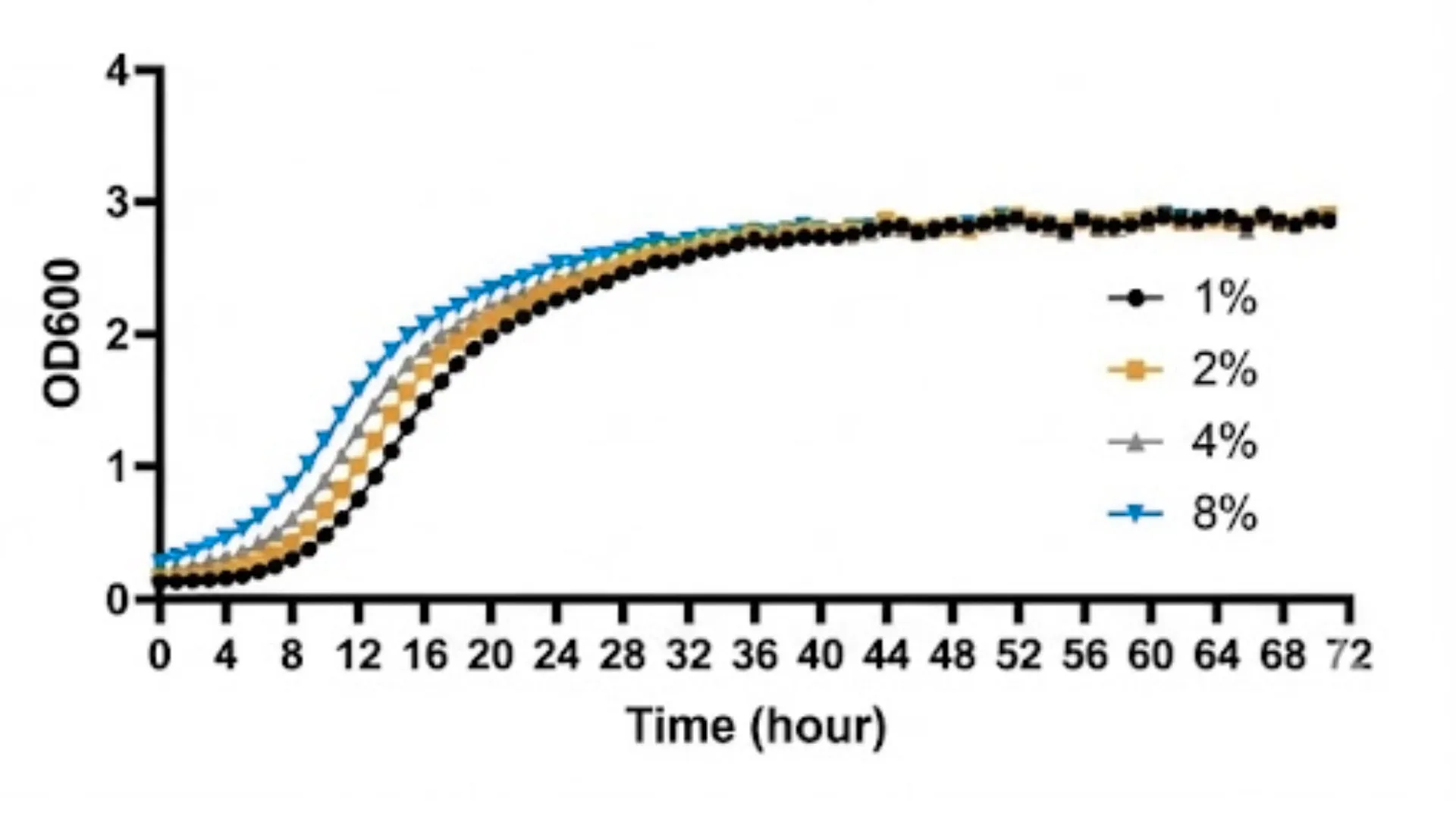 |
Note: Growth curves and optimal parameters may vary across laboratories due to media, inoculum, and environmental differences.