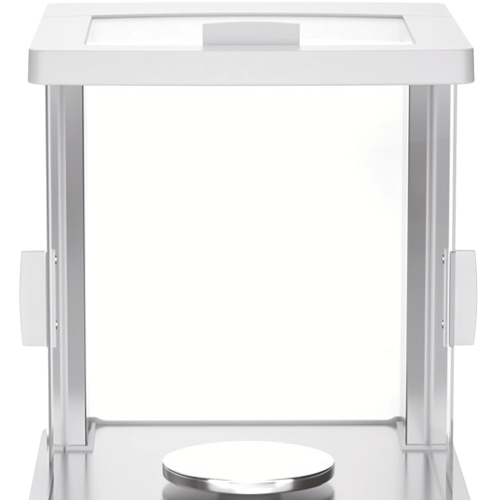
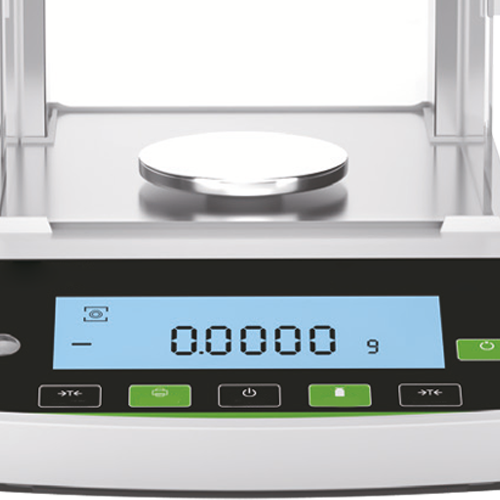
Analytical Balance (0.1mg) QAC-Series Request A Quote Analytical Balance (0.1mg) QAC-Series First Name Last Name / Surname Position Email Phone Number Company Name Company Type - None -ManufacturerResellerGovernmentUniversity Country - Select -AfghanistanAlbaniaAlgeriaAmerican SamoaAndorraAngolaAnguillaAntarcticaAntigua & BarbudaArgentinaArmeniaArubaAscension IslandAustraliaAustriaAzerbaijanBahamasBahrainBangladeshBarbadosBelarusBelgiumBelizeBeninBermudaBhutanBoliviaBosnia & HerzegovinaBotswanaBouvet IslandBrazilBritish Indian Ocean TerritoryBritish Virgin IslandsBruneiBulgariaBurkina FasoBurundiCambodiaCameroonCanadaCanary IslandsCape VerdeCaribbean NetherlandsCayman IslandsCentral African RepublicCeuta & MelillaChadChileChinaChristmas IslandClipperton IslandCocos (Keeling) IslandsColombiaComorosCongo - BrazzavilleCongo - KinshasaCook IslandsCosta RicaCroatiaCubaCuraçaoCyprusCzechiaCôte d’IvoireDenmarkDiego GarciaDjiboutiDominicaDominican RepublicEcuadorEgyptEl SalvadorEquatorial GuineaEritreaEstoniaEswatiniEthiopiaFalkland IslandsFaroe IslandsFijiFinlandFranceFrench GuianaFrench PolynesiaFrench Southern TerritoriesGabonGambiaGeorgiaGermanyGhanaGibraltarGreeceGreenlandGrenadaGuadeloupeGuamGuatemalaGuernseyGuineaGuinea-BissauGuyanaHaitiHeard & McDonald IslandsHondurasHong Kong SAR ChinaHungaryIcelandIndiaIndonesiaIranIraqIrelandIsle of ManIsraelItalyJamaicaJapanJerseyJordanKazakhstanKenyaKiribatiKosovoKuwaitKyrgyzstanLaosLatviaLebanonLesothoLiberiaLibyaLiechtensteinLithuaniaLuxembourgMacao SAR ChinaMadagascarMalawiMalaysiaMaldivesMaliMaltaMarshall IslandsMartiniqueMauritaniaMauritiusMayotteMexicoMicronesiaMoldovaMonacoMongoliaMontenegroMontserratMoroccoMozambiqueMyanmar (Burma)NamibiaNauruNepalNetherlandsNetherlands AntillesNew CaledoniaNew ZealandNicaraguaNigerNigeriaNiueNorfolk IslandNorthern Mariana IslandsNorth KoreaNorth MacedoniaNorwayOmanOutlying OceaniaPakistanPalauPalestinian TerritoriesPanamaPapua New GuineaParaguayPeruPhilippinesPitcairn IslandsPolandPortugalPuerto RicoQatarRomaniaRussiaRwandaRéunionSamoaSan MarinoSarkSaudi ArabiaSenegalSerbiaSeychellesSierra LeoneSingaporeSint MaartenSlovakiaSloveniaSolomon IslandsSomaliaSouth AfricaSouth Georgia & South Sandwich IslandsSouth KoreaSouth SudanSpainSri LankaSt. BarthélemySt. HelenaSt. Kitts & NevisSt. LuciaSt. MartinSt. Pierre & MiquelonSt. Vincent & GrenadinesSudanSurinameSvalbard & Jan MayenSwedenSwitzerlandSyriaSão Tomé & PríncipeTaiwanTajikistanTanzaniaThailandTimor-LesteTogoTokelauTongaTrinidad & TobagoTristan da CunhaTunisiaTurkmenistanTurks & Caicos IslandsTuvaluTürkiyeU.S. Outlying IslandsU.S. Virgin IslandsUgandaUkraineUnited Arab EmiratesUnited KingdomUnited StatesUruguayUzbekistanVanuatuVatican CityVenezuelaVietnamWallis & FutunaWestern SaharaYemenZambiaZimbabweÅland Islands State/Province Timeline - None -Less than one monthOne to three monthsFour to six monthsLonger than six months Message Parent Product Analytical Balances Product Categories Analytical Balances View PDF The QAC-Series 0.1mg analytical balance gives laboratories 0.0001 g readability for research, education, medical, and metallurgy work. It builds on an electromagnetic force-compensation sensor known for high sensitivity and long-term stability, which holds accuracy across repeated weighings. Four transparent draft-shield panels enclose a spacious weighing chamber, so operators load samples easily while air currents stay out. The series spans capacities from 100 g to 600 g in both external- and internal-calibration models, so a lab can match capacity and calibration method to the task.Each unit is conditioned for constant temperature and humidity and shielded against static before delivery, which supports stable readings from first use. Built-in modes cover counting, percentage, animal (dynamic) weighing, and density measurement, so one instrument handles routine and specialized jobs. An RS232 interface sends results to a printer, LIMS, or automation system for traceable record-keeping. Fast stabilization and an adjustable background sensitivity let operators tune the response to the sample and the bench environment. Applications Features/Advantages Theory/Method Technical Specifications ApplicationsThe QAC-Series serves laboratories and production settings where sub-milligram mass accuracy matters across a range of fields.Scientific Research Laboratories: precise mass measurement of reagents, samples, and reaction products for experimental work.Pharmaceutical and Quality Control: accurate weighing of active ingredients and formulations in line with USP analytical weighing practice.Education and Teaching Labs: reliable, easy-to-read weighing for chemistry and physics instruction.Metallurgy and Materials Testing: mass and density measurement of metals, alloys, and small components.Chemical and Formulation Work: percentage weighing for ratio-based mixing and formula development.Density Determination: read-only density measurement of solids, liquids, and powders alongside mass.Inventory and Parts Counting: counting mode for bulk items of uniform weight to speed stock-taking.Animal and Dynamic Sample Weighing: stable readings for live or moving samples such as small laboratory animals.StandardsThe QAC-Series supports analytical weighing workflows that align with internationally recognized metrology and pharmacopeia requirements.OIML R 76-1 - Non-Automatic Weighing Instruments (defines Class I accuracy for analytical balances)OIML R 111 - Weights of Classes E1, E2, F1, F2, M1, M2, M3 (calibration weight classes)USP General Chapter <41> - BalancesUSP General Chapter <1251> - Weighing on an Analytical BalanceEURAMET Calibration Guide cg-18 - Guidelines on the Calibration of Non-Automatic Weighing Instruments Analytical Balance (0.1mg) QAC-Series FeaturesFully transparent glass windshieldHigh-precision Reading accuracy 0.1mgThe QAC-Series combines a precision sensor with practical modes and interfaces that suit daily laboratory use.Electromagnetic Force-Compensation Sensor: resolves mass to 0.1 mg with high sensitivity and stable long-term performance.Four-Panel Transparent Draft Shield: encloses a spacious weighing chamber to block air currents while keeping samples easy to load and read.Pre-Delivery Climate and Anti-Static Conditioning: each unit is treated for temperature, humidity, and static, so readings stay stable from first use.Fast 2-Second Stabilization: settles and displays results quickly, with adjustable background sensitivity for different bench conditions.Multiple Weighing Modes: covers basic, counting, percentage, animal (dynamic), and density measurement on one instrument.Density Measurement Mode: determines the density of solids, liquids, and powders alongside mass for materials work.Animal Weighing Mode: holds a stable reading for live or moving samples that are otherwise hard to weigh.RS232 Data Output: prints single results or streams continuous data at 0.5, 1, 2, or 3 second intervals to LIMS or automation systems.External or Internal Calibration: select operator-applied external calibration or motorized internal calibration by model.Selectable Display Units: reads in grams, ounces, carats, and milligrams to suit different workflows. Theory and MethodThe QAC-Series measures mass by electromagnetic force compensation, the method behind every high-resolution analytical balance. A sample placed on the pan pushes the weighing system down, and a position sensor detects that small displacement. The balance then drives current through a coil seated in a magnetic field, and the coil produces an opposing force that returns the pan to its original position. The current needed to hold that position is proportional to the sample's weight, so the electronics convert it directly into a mass reading.Because the system measures the restoring current rather than the stretch of a spring, it resolves mass to 0.1 mg and stays linear across the full range. Temperature and humidity conditioning before delivery reduces drift from thermal expansion, while the anti-static treatment limits charge build-up that would otherwise tug on light samples. The sealed draft shield blocks the air currents that add noise at the 0.1 mg level.Calibration ties the reading to a known reference. External-calibration models use a certified test weight that the operator applies, while internal-calibration models carry a motorized weight that the balance applies on command or on a schedule. Both methods correct sensitivity so the displayed value tracks the true mass, which matters most when ambient temperature shifts during a working day. Analytical Balance (0.1mg) QAC-Series Technical SpecificationsTechnical SpecificationsExternal Calibration ModelsParameterQAC100QAC120QAC200QAC220QAC300QAC320QAC420QAC500QAC520QAC600Maximum Capacity100 g120 g200 g220 g300 g320 g420 g500 g520 g600 gCalibration MethodExternalReadability0.1 mgMinimum Weighing0.1 mgRepeatability *±0.1 mgLinearity *±0.2 mgStabilization Time2 sWarm-Up Time30–60 minDisplay Unitsg/oz/ct/mgPan SizeΦ90 mmCommunicationRS232 (USB optional)Power100–240 V AC, 50/60 Hz; out 9 V 2 AInstrument Dimensions310×215×350 mmNet Weight5.5 kgInternal Calibration ModelsParameterQAC100IQAC120IQAC200IQAC220IQAC300IQAC320IQAC420IQAC500IQAC520IQAC600IMaximum Capacity100 g120 g200 g220 g300 g320 g420 g500 g520 g600 gCalibration MethodInternalReadability0.1 mgMinimum Weighing0.1 mgRepeatability *±0.1 mgLinearity *±0.2 mgStabilization Time2 sWarm-Up Time30–60 minDisplay Unitsg/oz/ct/mgPan SizeΦ90 mmCommunicationRS232 (USB optional)Power100–240 V AC, 50/60 Hz; out 9 V 2 AInstrument Dimensions310×215×350 mmNet Weight5.5 kg RequestQuotation Analytical Balance (0.1mg) QAC-Series First Name Last Name / Surname Position Email Phone Number Company Name Company Type - None -ManufacturerResellerGovernmentUniversity Country - Select -AfghanistanAlbaniaAlgeriaAmerican SamoaAndorraAngolaAnguillaAntarcticaAntigua & BarbudaArgentinaArmeniaArubaAscension IslandAustraliaAustriaAzerbaijanBahamasBahrainBangladeshBarbadosBelarusBelgiumBelizeBeninBermudaBhutanBoliviaBosnia & HerzegovinaBotswanaBouvet IslandBrazilBritish Indian Ocean TerritoryBritish Virgin IslandsBruneiBulgariaBurkina FasoBurundiCambodiaCameroonCanadaCanary IslandsCape VerdeCaribbean NetherlandsCayman IslandsCentral African RepublicCeuta & MelillaChadChileChinaChristmas IslandClipperton IslandCocos (Keeling) IslandsColombiaComorosCongo - BrazzavilleCongo - KinshasaCook IslandsCosta RicaCroatiaCubaCuraçaoCyprusCzechiaCôte d’IvoireDenmarkDiego GarciaDjiboutiDominicaDominican RepublicEcuadorEgyptEl SalvadorEquatorial GuineaEritreaEstoniaEswatiniEthiopiaFalkland IslandsFaroe IslandsFijiFinlandFranceFrench GuianaFrench PolynesiaFrench Southern TerritoriesGabonGambiaGeorgiaGermanyGhanaGibraltarGreeceGreenlandGrenadaGuadeloupeGuamGuatemalaGuernseyGuineaGuinea-BissauGuyanaHaitiHeard & McDonald IslandsHondurasHong Kong SAR ChinaHungaryIcelandIndiaIndonesiaIranIraqIrelandIsle of ManIsraelItalyJamaicaJapanJerseyJordanKazakhstanKenyaKiribatiKosovoKuwaitKyrgyzstanLaosLatviaLebanonLesothoLiberiaLibyaLiechtensteinLithuaniaLuxembourgMacao SAR ChinaMadagascarMalawiMalaysiaMaldivesMaliMaltaMarshall IslandsMartiniqueMauritaniaMauritiusMayotteMexicoMicronesiaMoldovaMonacoMongoliaMontenegroMontserratMoroccoMozambiqueMyanmar (Burma)NamibiaNauruNepalNetherlandsNetherlands AntillesNew CaledoniaNew ZealandNicaraguaNigerNigeriaNiueNorfolk IslandNorthern Mariana IslandsNorth KoreaNorth MacedoniaNorwayOmanOutlying OceaniaPakistanPalauPalestinian TerritoriesPanamaPapua New GuineaParaguayPeruPhilippinesPitcairn IslandsPolandPortugalPuerto RicoQatarRomaniaRussiaRwandaRéunionSamoaSan MarinoSarkSaudi ArabiaSenegalSerbiaSeychellesSierra LeoneSingaporeSint MaartenSlovakiaSloveniaSolomon IslandsSomaliaSouth AfricaSouth Georgia & South Sandwich IslandsSouth KoreaSouth SudanSpainSri LankaSt. BarthélemySt. HelenaSt. Kitts & NevisSt. LuciaSt. MartinSt. Pierre & MiquelonSt. Vincent & GrenadinesSudanSurinameSvalbard & Jan MayenSwedenSwitzerlandSyriaSão Tomé & PríncipeTaiwanTajikistanTanzaniaThailandTimor-LesteTogoTokelauTongaTrinidad & TobagoTristan da CunhaTunisiaTurkmenistanTurks & Caicos IslandsTuvaluTürkiyeU.S. Outlying IslandsU.S. Virgin IslandsUgandaUkraineUnited Arab EmiratesUnited KingdomUnited StatesUruguayUzbekistanVanuatuVatican CityVenezuelaVietnamWallis & FutunaWestern SaharaYemenZambiaZimbabweÅland Islands State/Province Timeline - None -Less than one monthOne to three monthsFour to six monthsLonger than six months Message
Precision Balance vs Analytical Balance: Which to Buy? Choosing the right scale is a critical decision for your lab's output. An incorrect choice can undermine your results, but we believe getting a reliable, dead-on accurate number should be straightforward. This guide skips the dense technical jargon to provide the essential information on the analytical balance vs precision balance debate, helping you get the right equipment for the job. Key Takeaways Readability defines the choice: Analytical
Lab Balance Calibration: Steps & Common Errors Can you be certain that your lab's measurements are completely accurate? Even a slight drift in your balance can compromise your results, turning valuable research into wasted resources. Proper lab balance calibration is the essential process for ensuring your data is reliable, and this guide shows you how to do it right. Key Takeaways Regular calibration is the only way to prevent measurement drift and ensure your data remains compliant and
Analytical vs Top Loading Balance: An In-Depth Look In any laboratory, the choice between an analytical balance and a top-loading balance is crucial. One provides extreme precision for critical analysis, while the other offers versatility for routine tasks. Making the right decision in the analytical balance vs top loading debate prevents costly errors and ensures data integrity. This guide will clarify the key differences to help you invest wisely. Key Takeaways Precision vs. Speed: Analytical