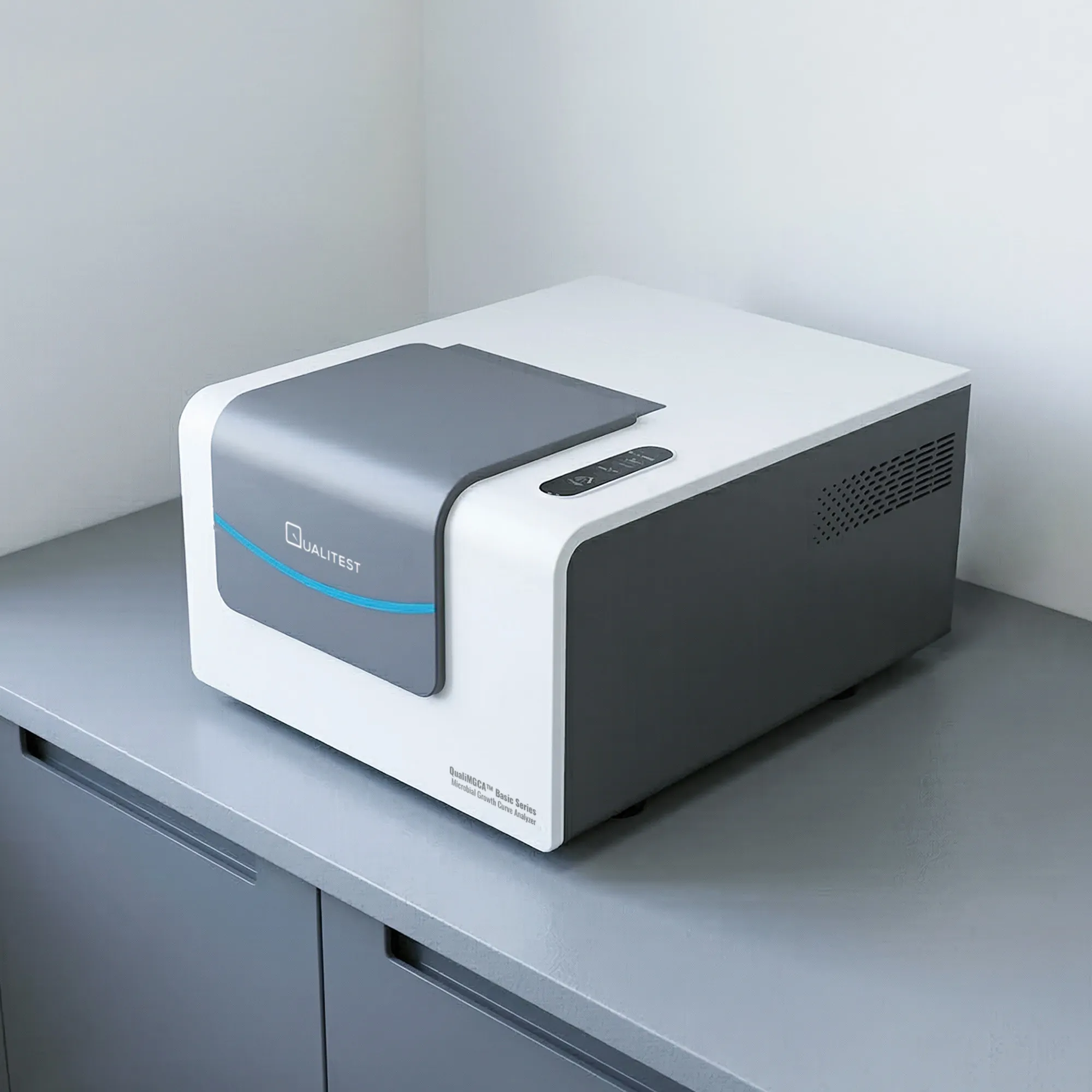
Microbial Growth Curve Analyzer – QualiMGCA™ Basic Series Applications
High-throughput growth kinetics screening
Run side-by-side comparisons of multiple strains or conditions in 96-, 48-, 24-, or 12-well plates. Two plate positions support parallel datasets, which helps when you need controls and test groups measured under identical timing. This is useful for media optimization, stress testing, and comparative performance checks.
Media and formulation optimization
Quantify how nutrient composition, additives, and concentration changes affect lag time, growth rate, and stationary-phase behavior. Automated intervals and stable incubation let you build consistent datasets for R&D decisions and tech transfer.
Strain comparison and selection
Track growth curves for bacteria and yeast models to identify the best-performing candidates under defined conditions. Consistent shaking supports organisms that settle or aggregate, improving curve repeatability across wells.
Long-duration cultivation studies
Support extended monitoring when you need multi-day trend data, such as slow growers or process-like incubation profiles. Long maximum operating duration enables fewer interruptions and cleaner time-series records.
| Microorganism | Type | Cell Morphology | Size (μm) | Key Characteristics | Graph |
|---|
| Escherichia coli | Gram-negative | Short bacillus (rod) | 0.5 × 1–3 | Common lab microorganism; motile with peritrichous flagella; non-spore-forming. | 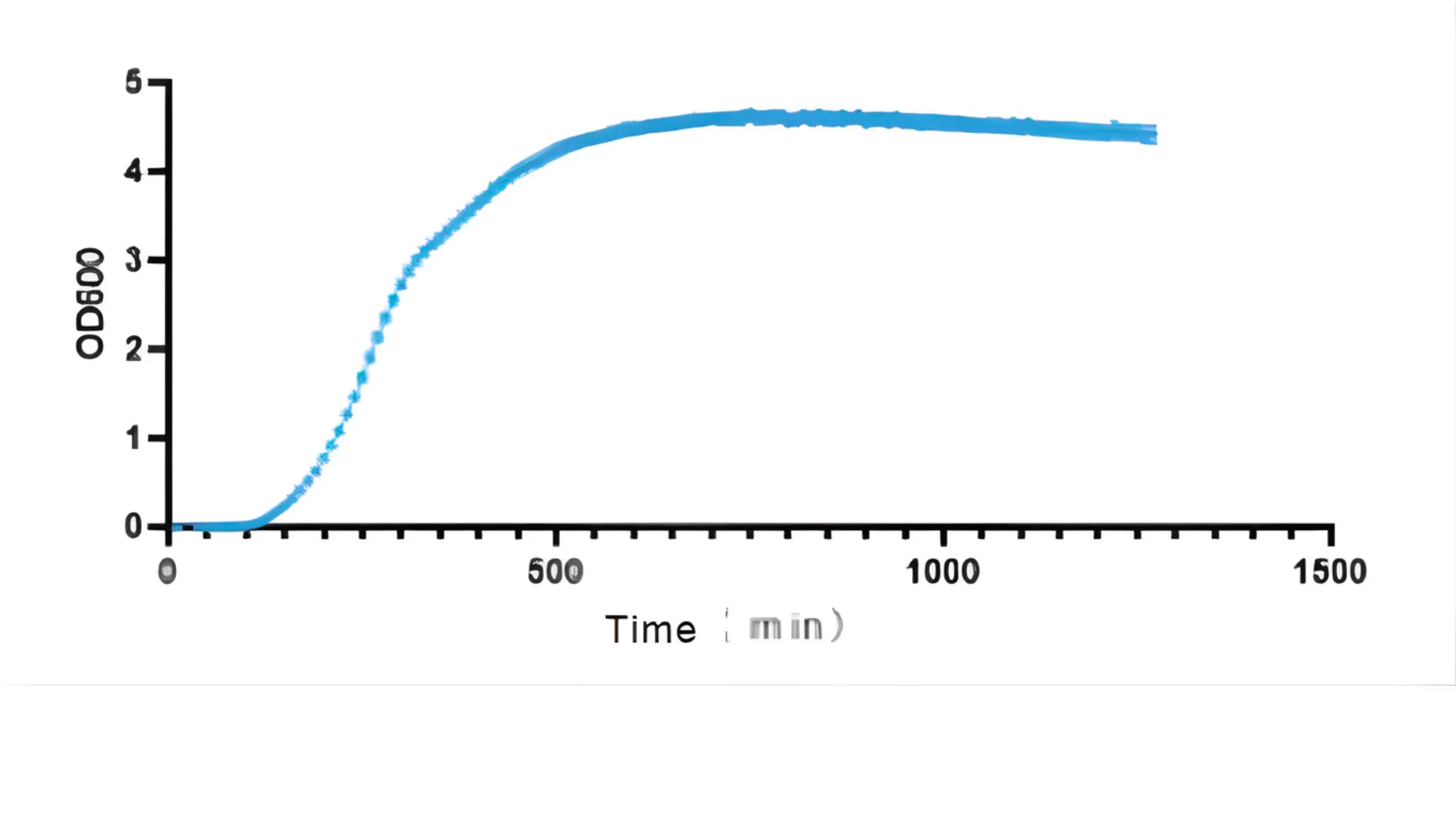 |
| Fission yeast (Schizosaccharomyces pombe) | Eukaryote (yeast) | Yeast cells | 4–5 × 8–15 | Widely used model for cell division; settles easily; typically needs higher mixing speed. | 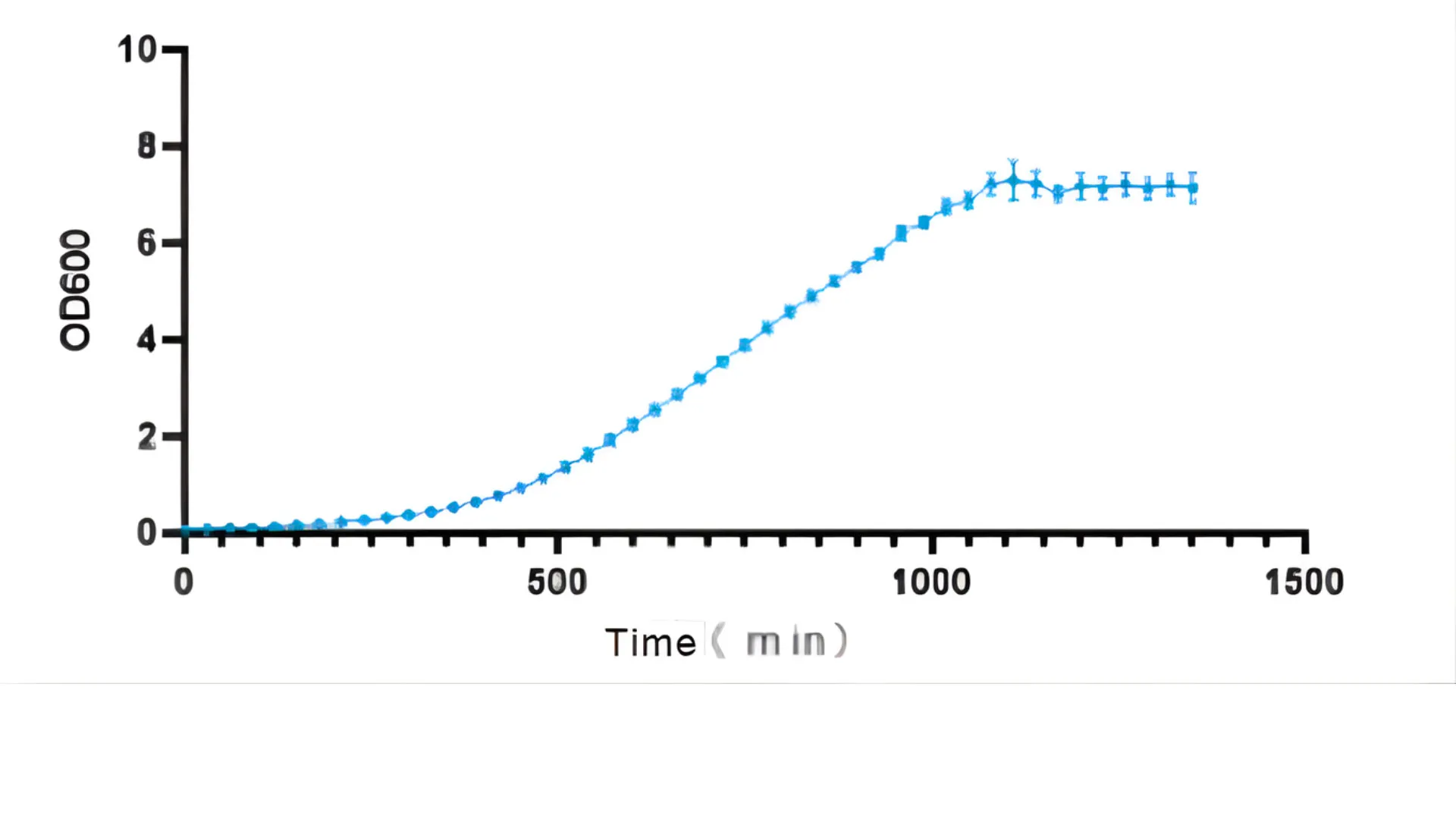 |
| Lactobacillus rhamnosus | Gram-positive | Rod-shaped | 0.8–1.0 × 2–4 | Anaerobic, acid-tolerant probiotic; non-spore-forming; often cultured statically; can aggregate; low-speed rotation in MGC-200 helps reduce clumping. | 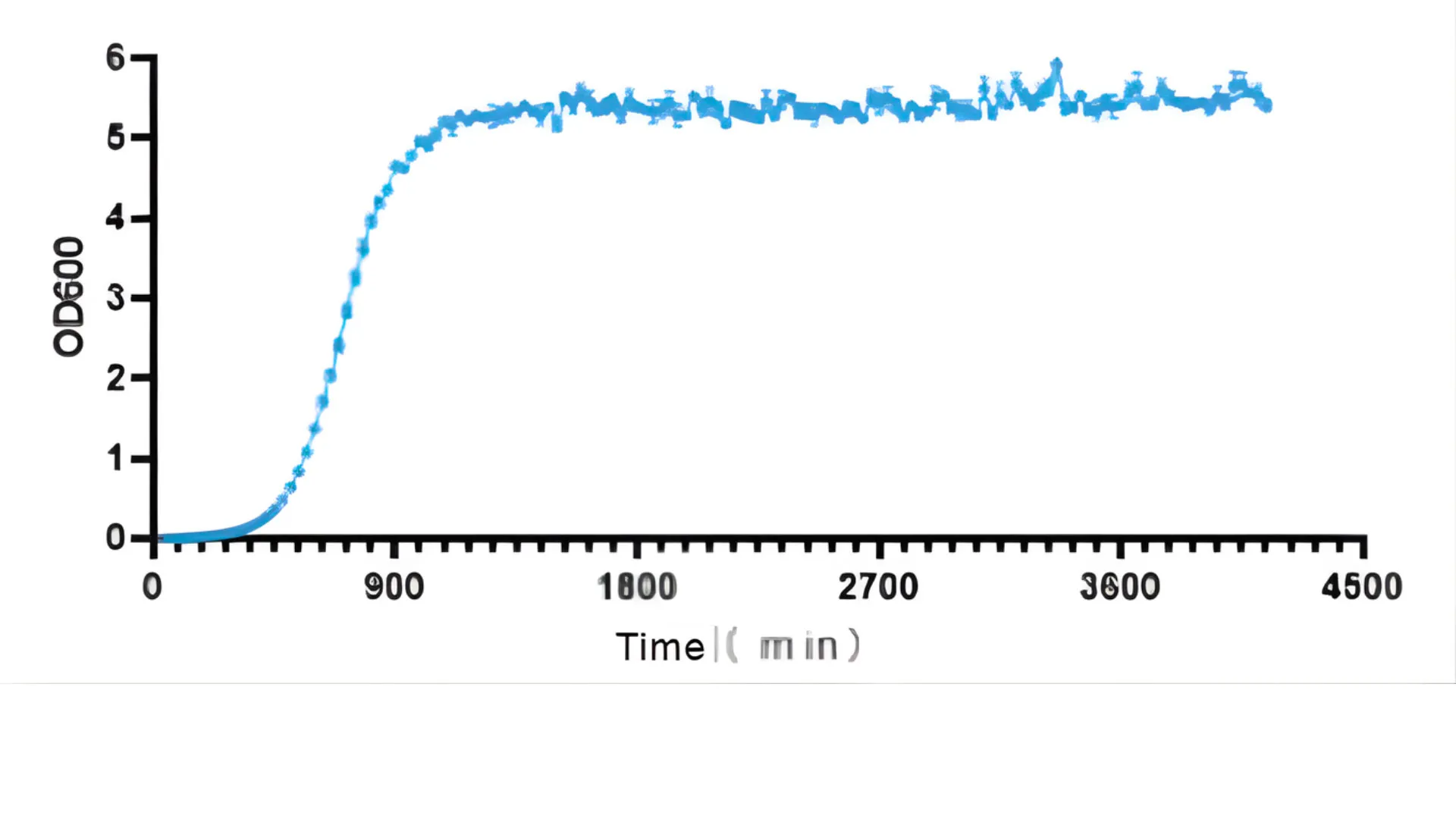 |